Selling A Home In Plymouth: Smart Prep And Pricing Strategies
April 16, 2026
April 16, 2026
If you are selling a home in Plymouth, smart preparation and disciplined pricing can make a bigger difference than many sellers expect. In a market where some listings move quickly while others sit and take price cuts, you need more than a rough estimate and a quick cleanup. The good news is that with the right plan, you can position your home to stand out online, attract serious buyers, and protect your bottom line. Let’s dive in.
Plymouth gives sellers a strong story to tell, but it is important to tell it with precision. The city has about 80,038 residents, nearly 53,000 jobs, major highway access, and a broad parks-and-trails network that helps connect neighborhoods to commercial areas and recreation, according to Minnesota demographic data and the City of Plymouth. For buyers, that often means they are evaluating not just the house itself, but also commute convenience, outdoor access, and overall day-to-day livability.
Recent housing data also shows why strategy matters. Redfin’s Plymouth market data reports a February 2026 median sale price of $385,000, 70 median days on market, and homes selling about 1% below list on average. Zillow’s Plymouth housing data cited in the research shows a March 2026 average home value of $508,713, a median sale price of $441,500, 34 days to pending, and 19.1% of sales over list price, which highlights how data sources can measure the market differently.
The larger takeaway is simple: this is not a market where every home gets the same result. The January 2026 Minnesota Realtors housing report noted that some listings received multiple offers while others were discounted or lingered. That makes prep, presentation, and pricing especially important in Plymouth.
One of the most common seller mistakes is using the county assessment as the starting point for list price. Hennepin County explains that assessed value is set as market value as of January 2 and may differ from what a homeowner paid or what the property might command when listed. In other words, your tax value is not your pricing strategy.
Instead, the better anchor is recent comparable sales, adjusted for condition, size, style, lot, updates, and current competition. That matters even more in a market where buyers are watching value closely. Minnesota Realtors reported that in the Twin Cities metro, accepted offers averaged 96.8% of list price after 66 days, reinforcing the value of competitive pricing instead of testing the market too high.
Plymouth-specific numbers point in the same direction. Redfin reports that average homes sell about 1% below list, while hot homes can sell around 2% above list. Zillow’s February 2026 data in the research also showed that 65.8% of sales were under list price, which is a strong reminder that overpricing can reduce early momentum.
Not every Plymouth listing should be positioned the same way. Your ideal buyer often changes based on the home’s price range, condition, and location. That is why effective pricing is not just about math. It is also about knowing who is most likely to respond.
For lower price points, buyers may focus heavily on value, monthly payment, and visible condition. In the middle of the market, turnkey presentation often matters more, especially when buyers are comparing several similar options. At the upper end, buyers tend to weigh finish level, lot quality, layout, privacy, and lifestyle details more closely.
That approach aligns with broader market research. Zillow found that buyers are often willing to pay more for homes that feel turnkey and customized, and the research summary notes those homes can sell for upward of 3% more than similar properties. If your home can reasonably be presented as move-in ready, that should shape both your pricing and your marketing.
Many sellers ask whether they should wait for spring. In general, spring still brings the most activity. The National Association of Realtors describes April through June as the peak buying season and notes that homes sold in June are about 16% more expensive than in winter months, with the Midwest seeing about twice as many homes sold in June as in January.
That does not mean you should always wait. If your home is ready now, listing earlier can mean less competition and a chance to capture buyers who are already active. Timing should support your goals, but the quality of your launch still matters more than simply picking a month on the calendar.
If you do list in winter or early spring, presentation needs to adapt. Minnesota Realtors recommends keeping walkways shoveled and salted, making the home warm and well lit, and highlighting practical cold-weather features such as mudrooms, heated garages, energy efficiency, and natural light. In a Plymouth market that is still car-oriented, those details can resonate.
The most effective pre-listing work is usually not flashy. It is targeted, visible, and focused on reducing buyer hesitation. In Plymouth, that often means creating a home that feels clean, well maintained, easy to navigate, and ready for everyday life.
Start with the obvious condition items. Address deferred maintenance, touch up paint where needed, improve lighting, reduce clutter, and make sure high-traffic spaces show well. Buyers tend to notice signs of wear quickly, especially when they are comparing several homes online before they ever book a showing.
Think about lifestyle, too. Plymouth’s trail network, park access, and commuter convenience are meaningful selling points, but buyers still want the home itself to feel functional. In a lower-walkability suburb, garages, driveways, mudrooms, entry storage, and winter-friendly access points can matter more than they would in a denser area.
For sellers who want help with strategic improvements before going live, Aaron Lowe can also guide seller preparation with support options through Compass Concierge when appropriate. That can be especially useful if you want to improve presentation without handling every detail alone.
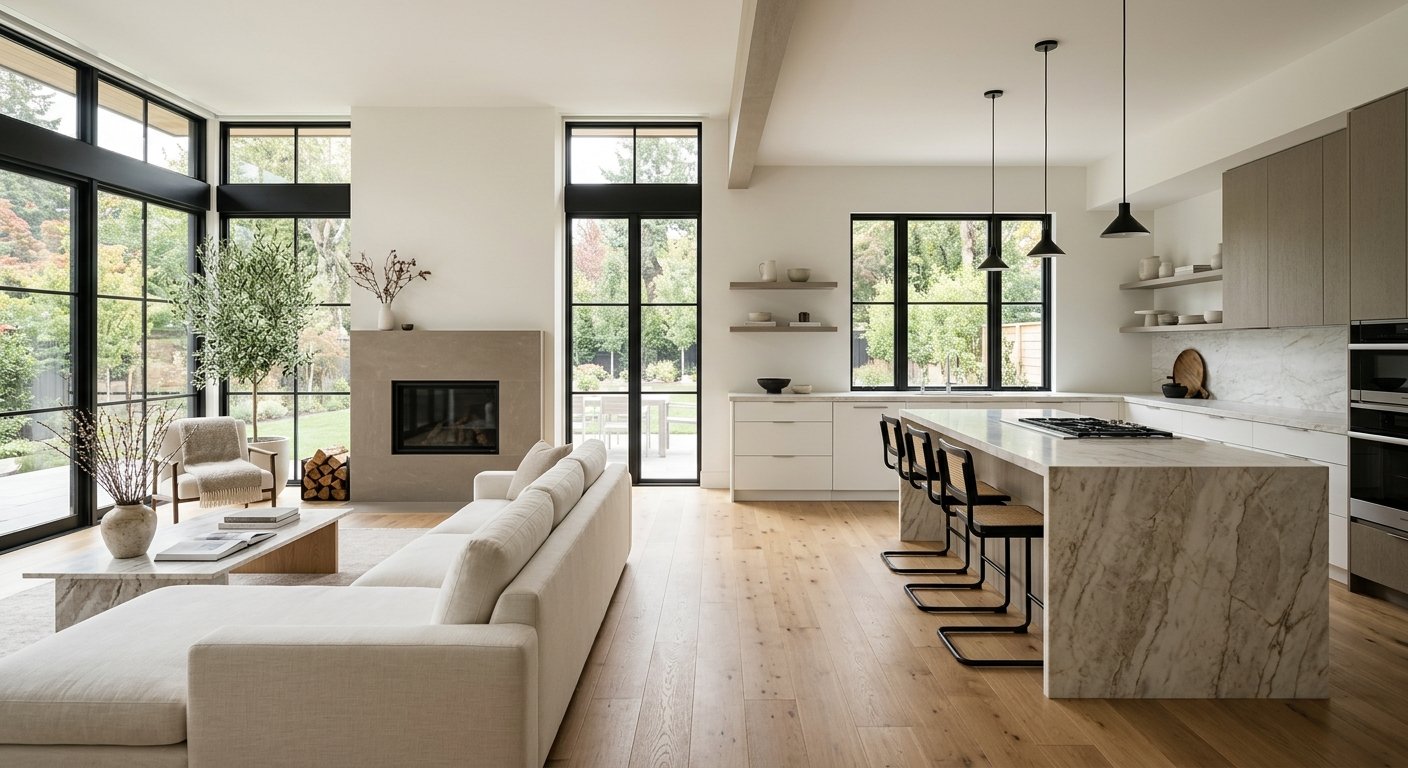
Staging remains one of the clearest ways to improve how buyers experience your home. According to the NAR 2025 staging profile, 83% of buyers’ agents said staging made it easier for buyers to visualize a property as their future home. That matters because buyers make emotional decisions quickly, even when they think they are being purely practical.
You do not always need to stage every room. The most commonly staged spaces are the living room, primary bedroom, and dining room. Those rooms often shape the home’s first impression and help buyers understand scale, flow, and how daily life might look in the space.
Done well, staging also supports pricing. A well-presented home can feel more polished, more cared for, and more move-in ready. That can help justify value and support stronger early interest.
Today, your first showing usually happens online. Zillow’s 2025 buyer research found that 68% of prospective buyers viewed homes on a real estate website, 59% had already been shopping for at least six months, and many ranked floor plans, high-resolution photos, and 3D or virtual tours among the most important listing features. NAR also reports that 81% of buyers rated listing photos as the most useful feature in their online search.
That means your online presentation should not be treated as an afterthought. Strong photography, a clear floor plan, and a polished launch in the first few days can have a real effect on engagement. Buyers often decide whether a home is worth visiting based on those materials alone.
In Plymouth, the best listings usually combine property details with local context. It helps to show the home’s layout, updates, storage, and practical features while also explaining location benefits such as highway access, nearby parks and trails, and the broader convenience of living in the city. If school district information is referenced, it should stay factual and address-specific, since Plymouth is served by four school districts: Wayzata, Robbinsdale, Osseo, and Hopkins.
A smooth sale often depends on handling basic compliance items before the listing goes live. In Minnesota, smoke alarms should be in every bedroom, outside each sleeping area, and on every level of the home, while carbon monoxide alarms should be within 10 feet of sleeping rooms, according to the Minnesota Department of Public Safety.
Radon readiness also matters. The Minnesota Department of Health guidance referenced in the research says sellers must disclose known radon information and recommends testing before listing. A properly conducted test or an existing mitigation system can also become a positive feature rather than a surprise during negotiations.
Taking care of these items early helps reduce last-minute issues. It also shows buyers that the home has been prepared thoughtfully, which can build confidence from the start.
If you want the strongest possible result, think in terms of sequence. First, assess the home honestly and decide which updates will improve value or marketability. Then price from current comparable sales, not from hope or headline numbers.
After that, focus on presentation and launch quality. That includes staging key rooms, preparing strong photography and floor plans, and making sure the property enters the market in its best condition. In a mixed market like Plymouth, first-week momentum matters.
Finally, stay flexible once the home is live. Showings, buyer feedback, time on market, and competing inventory all provide clues about whether your pricing and positioning are working. The strongest sellers are prepared, but they are also responsive.
Selling a home in Plymouth is rarely about one magic move. It is usually the result of thoughtful prep, clear market positioning, and pricing discipline from day one. If you want a strategy built around your home, your timing, and your goals, Aaron Lowe can help you prepare, position, and market your property with clarity and confidence.
Our expansive network and white-glove service ensure a bespoke experience for both buyers and sellers. Let our top producing team find your dream home today.
CONTACT US