Selling A Luxury Home In Plymouth: Modern Marketing
June 25, 2026
June 25, 2026
If your Plymouth home stands out from the typical listing, it should not be marketed like one. Luxury buyers shop differently, compare differently, and often take more time before they move. When you understand how modern luxury marketing works, you can position your home more strategically, protect its value, and attract serious interest from the right audience. Let’s dive in.
Plymouth offers more than square footage and finishes. It is a well-established west metro community of 80,546 residents with 32,519 households and a median household income of $133,900, according to the city’s 2024 annual report. The city also reports a strong daytime population, a highly educated resident base, and a quality-of-life profile that supports polished, information-rich marketing.
That local context matters when you sell a luxury home. Buyers in this segment are often looking at the full package, including design, layout, privacy, convenience, outdoor space, and the daily lifestyle a property supports. In Plymouth, that story can be grounded in real features like 188 miles of trails, 1,834 acres of park land, and a community plan that continues to move toward a more walkable city center.
The broader Plymouth market also helps explain why luxury positioning needs its own strategy. As of May 2026, the median listing price in Plymouth was $499,450, with homes averaging 24 days on market and selling at about 100% of asking on average. A home priced far above that local midpoint is not a routine suburban resale. It is a distinct product that should be launched with more precision.
At the national level, Realtor.com reported in March 2026 that the entry point for luxury was about $1.25 million, with entry-level luxury homes spending a median of 61 days on market. That longer timeline does not mean something is wrong. It usually means luxury buyers are more selective and the marketing runway is more curated.
In Plymouth, that means your plan should focus less on speed alone and more on presentation, pricing discipline, and launch quality. A strong luxury sale is rarely about simply posting a home and waiting. It is about shaping first impressions and building momentum early.
This is one reason agent selection matters so much. NAR’s 2025 seller research found that 91% of sellers used a real estate agent, and the top things they wanted help with were marketing the home, pricing it competitively, and selling within a desired timeframe. In the luxury space, those three needs become even more important.
Luxury marketing begins before your home goes live. The preparation phase is where you decide how the property will look, feel, photograph, and compete. Every detail should support the price point you want the market to recognize.
That usually starts with decluttering and editing. Even a beautifully updated home can feel smaller or less refined when rooms hold too much furniture, too many personal items, or visual distractions. Clean, intentional spaces help buyers focus on scale, light, and finishes instead of your belongings.
Staging also plays a real role in the luxury market. NAR’s 2025 Profile of Home Staging found that 83% of buyers’ agents said staging makes it easier for buyers to visualize a property as a future home. The same research highlighted the living room, primary bedroom, and dining room as the most commonly staged areas.
For a Plymouth luxury seller, that means you do not stage just because a room is empty. You stage because you want buyers to understand how the home lives. A thoughtful setup can clarify open-concept flow, show how flex spaces function, and help premium finishes feel more cohesive on camera and in person.
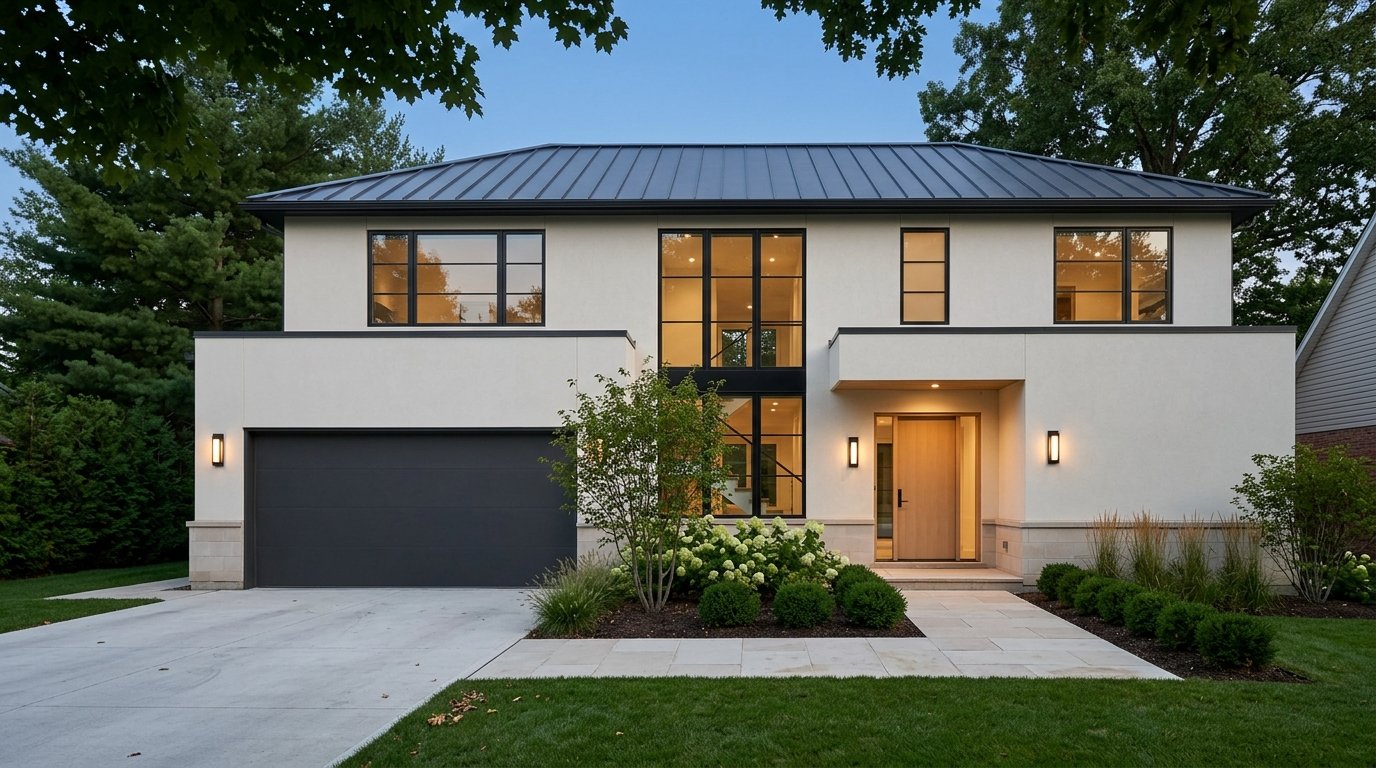
Online exposure may start the conversation, but first impressions still begin from the street. NAR’s marketing guidance defines curb appeal as how your home looks from the street, and it notes that landscaping and paint updates can influence buyer perception.
That is especially true for higher-end homes in Plymouth, where buyers often expect polished exterior presentation before they ever step inside. A tidy entry, clean hardscaping, trimmed landscaping, and a well-maintained front elevation can reinforce the home’s value before the showing even begins. When the exterior feels intentional, buyers are more likely to believe the rest of the property has been cared for at the same level.
If you remember one thing about luxury marketing, make it this: visuals do the heavy lifting early. NAR reported in 2026 that 52% of buyers found the home they purchased online, and 81% rated listing photos as the most useful feature during their search.
That makes professional photography essential, not optional. The lead image needs to stop the scroll, and the photo sequence needs to tell a clear story about the home’s layout, design, natural light, and standout features. In luxury, average photography can lower perceived value before a buyer ever schedules a showing.
Video and virtual tools matter too. NAR’s staging research found that buyers’ agents viewed videos and virtual tours as important tools that help online shoppers narrow their shortlists. For larger custom homes, these assets can help buyers understand scale, flow, and finish quality in a way still images cannot fully capture.
In Plymouth, strong visuals should do more than show upgraded countertops or a large backyard. They should communicate a full lifestyle. If a property includes usable outdoor living, flexible work space, smart-home features, or design elements that support modern living, those details deserve a clear visual story.
A luxury listing launch should feel coordinated, not pieced together. NAR’s online-visibility guidance notes that early engagement matters because saves, shares, and views soon after launch can help build traction. That means your first day on market carries real weight.
When your pricing, visuals, description, and distribution are aligned from the beginning, you are more likely to attract serious attention early. If those pieces are weak or inconsistent, it can be harder to recover later. Luxury buyers often notice quality quickly, and so do the people advising them.
A modern launch usually works best when it combines several channels rather than relying on one. NAR’s consumer marketing guidance points to staging, professional photography, social media, signage, open houses, MLS exposure, and competitive pricing as part of the marketing mix. For a luxury home, the key is not using every tactic blindly. It is using the right mix in the right order.
No amount of marketing can fully overcome a price that misses the market. In luxury real estate, pricing is as much about positioning as it is about math. You want to reflect the home’s strengths, but you also need to account for buyer expectations, competing inventory, and how long luxury homes typically take to sell.
That balance matters in Plymouth, where the overall market may move quickly but higher-end homes often follow a different pace. If your home is well above the city’s median listing price, buyers will compare it against a narrower and more demanding set of alternatives. Strategic pricing helps you enter that comparison set with credibility.
Not every luxury seller wants maximum public exposure on day one. Some sellers value discretion because of work, travel, family routines, or a simple desire to keep the process more controlled. In those cases, privacy planning should be part of the marketing conversation from the start.
NAR’s privacy and safety guidance recommends securing valuables, stowing personal items and photos, and managing access carefully during the selling process. It also notes that a “No Photography” instruction may be appropriate in the MLS in some cases, and that electronic lockboxes can track who entered and when.
NAR also notes that office-exclusive and delayed-marketing options may be available depending on local MLS rules and state law. These are not universal solutions, and they are not the right fit for every seller. But for some Plymouth luxury homeowners, selective exposure can offer a useful balance between access and discretion.
The best luxury campaigns do not choose between reach and control. They use both. Broad digital exposure can attract qualified buyers who are actively searching online, while selective networking and carefully managed showings can create a more private, polished experience.
That balance is especially important in Plymouth, where luxury homes often appeal to move-up buyers, executives, relocation clients, and lifestyle-driven buyers looking for specific features or community advantages. A strong campaign speaks to those audiences clearly without overselling or relying on generic language. It helps buyers understand why the home stands apart.
Luxury marketing works best when it is grounded in local knowledge. Plymouth is not one-size-fits-all, and higher-end buyers are often sensitive to differences in setting, home style, lot characteristics, convenience, and overall presentation. The details that matter in one part of the west metro may not carry the same weight in another.
That is why experienced representation can make a real difference. A seller benefits from guidance on prep, pricing, timing, launch strategy, buyer expectations, and privacy options, all shaped by what is happening in the local market. When those pieces come together, your home enters the market with more clarity and more confidence.
If you are thinking about selling a luxury home in Plymouth, a modern plan can help you protect value and present your property at the level today’s buyers expect. To talk through pricing, preparation, and a tailored launch strategy, connect with Aaron Lowe.
Our expansive network and white-glove service ensure a bespoke experience for both buyers and sellers. Let our top producing team find your dream home today.
CONTACT US