Is Plymouth MN Lake Living the Right Fit for You?
April 23, 2026
April 23, 2026
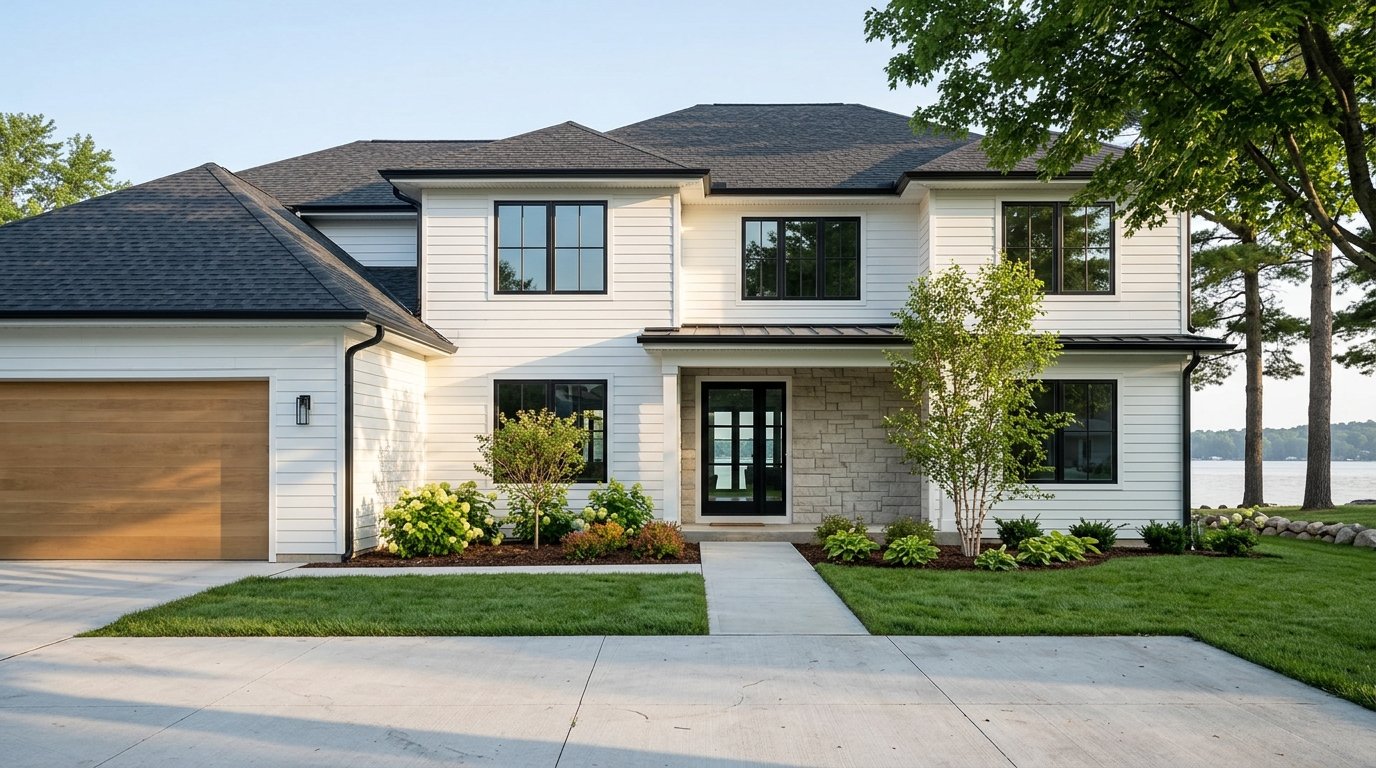
If you love the idea of living near the water but do not need a private shoreline lot, Plymouth offers a lifestyle that is both scenic and practical. In this part of the west metro, lake-adjacent living is often less about owning the shoreline and more about having easy access to beaches, trails, launch points, and green space woven into everyday routines. If you are considering a move in Plymouth, this guide will help you understand what that lifestyle really looks like and what to pay attention to as you search. Let’s dive in.
In Plymouth, living near the lake usually means living near a strong public parks and trails system. According to the city, Plymouth has 68 developed parks, 1,834 acres of park land, 186 miles of trails, and 3 public beaches through its parks and recreation system.
That matters because your day-to-day experience is often shaped by access, not just water views. Trails connect neighborhoods to commercial areas and scenic spots like Medicine Lake and Parkers Lake, while the city’s park system also includes water-oriented destinations such as East Medicine Lake, West Medicine Lake, Lake Camelot, Turtle Lake, and the Northwest Greenway.
For many buyers, the biggest surprise is how usable this lifestyle can be. Plymouth’s main lake recreation areas offer amenities like parking, trails, swimming beaches, picnic shelters or sites, playgrounds, volleyball, bathrooms, and even a fishing pier at select locations, based on the city’s beach information.
That means a casual summer evening can be simple. You might head out for a walk, stop by the beach, bring dinner to a picnic area, or spend part of the weekend around the water without needing to plan a full day trip.
The lake areas also work as community gathering places. The city notes that parks and shelters are used for events ranging from reunions and weddings to celebrations of life, and Parkers Lake Playfield also hosts the city’s farmers market and other reservable community spaces.
One of the most important things to understand about Plymouth is that the lifestyle is not water-only. It is a parks-and-trails lifestyle, and for many homeowners, that is what makes lake-adjacent living feel more practical year-round.
A great example is the Northwest Greenway, a nearly 315-acre wooded nature preserve with about 7.7 miles of paved trails, scenic overlooks, an open-air pavilion, and trail connections to the Medicine Lake Regional Trail, Clifton E. French Regional Park, and Elm Creek Park Reserve. If you enjoy walking, biking, or simply having nearby outdoor space built into your routine, this kind of connectivity can be just as valuable as direct water frontage.
If your version of lake living includes getting out on the water, Plymouth makes that more accessible than many buyers expect. The city says boat launches are available at Parkers Lake and at Medicine Lake through French Park access, and seasonal canoe and kayak rack rentals are offered at Parkers Lake Beach, East Medicine Lake Beach, Mooney Lake, Pomerleau Lake, and West Medicine Lake Beach through its facilities and reservations system.
This is one reason lake-adjacent homes can be so appealing here. You may not need private frontage to enjoy paddling, beach access, or regular time near the water. In many cases, what matters most is how easily you can reach these amenities from home.
From a home search perspective, lake-adjacent is best understood as a location advantage within Plymouth’s broader residential market. Hennepin County’s 2024 assessment reporting defines single-family residential property to include detached homes on both off-lake and on-lake parcels.
In practical terms, that means you should think beyond the simple question of whether a home is on the water. In Plymouth, the bigger distinction is often whether a property offers convenient access to trails, beaches, launch points, or green space that supports the lifestyle you want.
That is why many buyers end up focusing on established neighborhoods near public access points rather than limiting the search to true shoreline properties. Based on the city’s park finder and system map, the lifestyle difference often comes down to proximity and ease of use.
If you are searching for a lake-adjacent home in Plymouth, it helps to define how you actually want to use the area. A home that is technically close to a lake may not feel especially convenient if it is not near a practical access point.
A few smart priorities to keep in mind include:
For many buyers, these factors shape lifestyle more than a map pin alone.
Lake-adjacent living in Plymouth has clear advantages, but it also comes with some practical trade-offs. The city says its beaches are seasonal and unguarded, and they may close at times because of water-quality or water-treatment issues, as outlined in the city’s beach season and water-quality guidance.
The city has also noted that local water-quality issues can be tied to geese and other waterfowl, and it has posted blue-green algae warnings on Medicine Lake. So while the lakes are a major amenity, access and conditions can vary during the summer.
This is important if you are imagining the lake as a daily or weekly part of your routine. It is a real lifestyle benefit, but not one that operates exactly the same way every day of every season.
Buyers who want boating or active recreation should also know that lake use is regulated. According to the city’s lake regulations page, Medicine Lake can have a slow no-wake restriction under certain water-level conditions, and other Plymouth lakes may have their own speed or horsepower limits.
That does not reduce the appeal, but it does shape expectations. If your lifestyle goals include paddling, fishing, beach time, and trail use, Plymouth is well set up for that. If you are focused on higher-speed boating, the details of each lake matter.
Another often-overlooked part of living near lakes is stewardship. Plymouth encourages homeowners near the water to use rain gardens, native plant gardens, and shoreline plantings to help protect water quality, according to its surface water and lake management guidance.
That mindset is part of how the city approaches its natural resources. Plymouth also reports that Bass and Pomerleau lakes were removed from the impaired waters list in 2024 after more than 20 years of work involving the city, lakeshore property owners, and the watershed commission, as noted in its environmental stewardship update.
For you as a buyer, this is a helpful reminder that lake living is not passive. Part of the value comes from living in a community that actively manages and protects these spaces.
If you want a home where outdoor access feels built into daily life, Plymouth has a lot to offer. The strongest version of this lifestyle is not only about scenic water nearby. It is about being able to walk trails, visit a beach, launch a kayak, attend a community event, or spend time in green space without going far from home.
That said, the best fit depends on how you define convenience. Some buyers want a quiet setting with close trail access. Others want easy beach access or a launch point nearby. The right home often comes down to matching your routine with the right part of Plymouth.
If you are considering a move and want help finding the right balance of location, access, and home style, Aaron Lowe can help you evaluate Plymouth with a clear, local perspective.
Our expansive network and white-glove service ensure a bespoke experience for both buyers and sellers. Let our top producing team find your dream home today.
CONTACT US